top of page
Search


ree

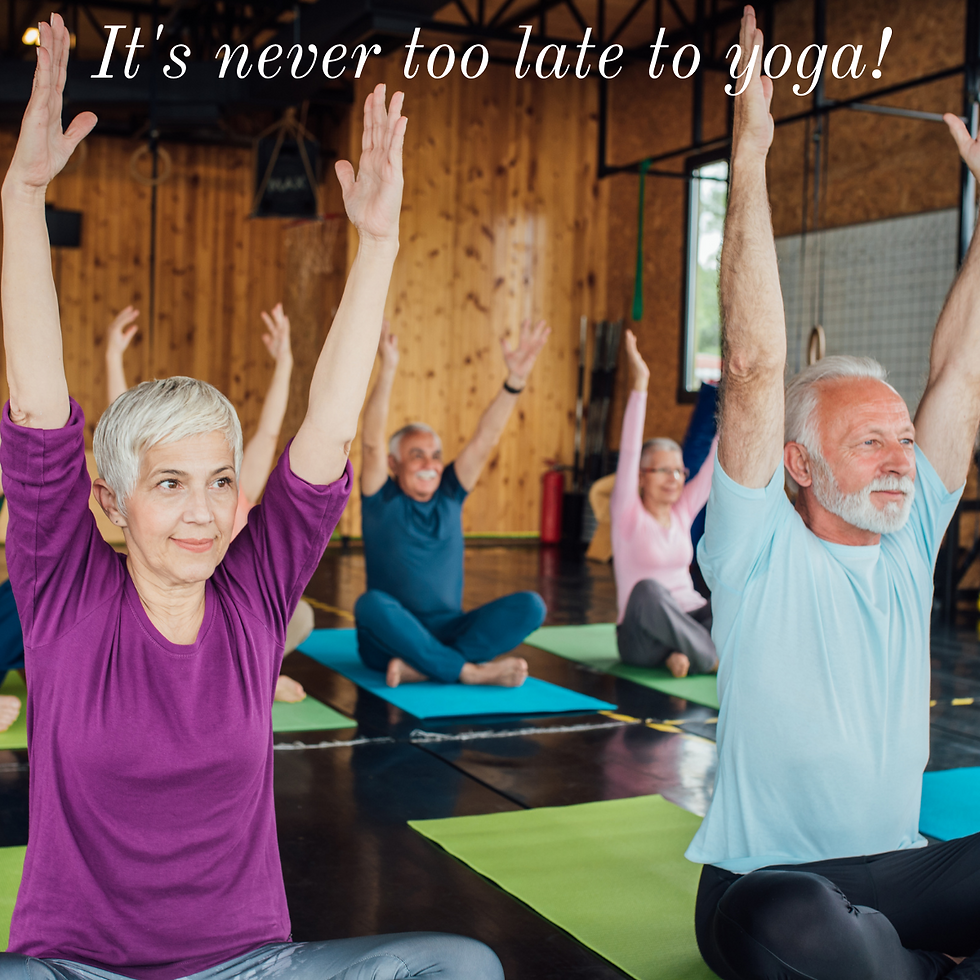
In a world that often equates youth with vitality, the notion of starting or maintaining a yoga practice past the age of 50 might seem daunting to some. However, the truth is, yoga knows no age limits. In fact, it's precisely as we journey through the years that the benefits of yoga become even more profound and necessary. Here’s why everyone, especially those over 50, should consider embracing yoga as a vital component of their wellness routine.

First and foremost, yoga is a holistic practice that nurtures the mind, body, and spirit. As we age, maintaining flexibility, strength, and balance becomes increasingly important in preventing injuries and maintaining overall health. Yoga postures, or asanas, gently stretch and strengthen muscles, lubricate joints, and improve posture, all of which are essential for staying active and mobile well into our later years.

Beyond the physical benefits, yoga offers a sanctuary for mental well-being. Life after 50 often brings with it a myriad of transitions – retirement, empty nesting, perhaps even the loss of loved ones. Yoga provides a safe space to navigate these changes with grace and resilience. Through mindful breathing and meditation practices, individuals can cultivate a sense of inner peace, reduce stress and anxiety, and enhance their overall quality of life.

Moreover, yoga is a practice of self-discovery and acceptance. As we age, our bodies inevitably change, and with those changes may come a sense of disconnect or dissatisfaction. Yoga encourages us to meet ourselves exactly where we are, without judgment or comparison. By embracing our bodies with compassion and gratitude, we can foster a deep sense of self-love and acceptance that transcends age.

Additionally, yoga offers a sense of community and belonging, which becomes increasingly important as we age. Attending classes or joining yoga groups provides opportunities for social interaction and connection with like-minded individuals. These communities not only offer support and encouragement but also create a sense of camaraderie and belonging that is invaluable, especially in later stages of life.

Furthermore, yoga is a practice that can be tailored to individual needs and abilities. Whether you're a seasoned yogi or a complete beginner, there is a style of yoga and a level of intensity that is suitable for you. Gentle or restorative yoga classes offer a nurturing environment for those with physical limitations or health concerns, while more dynamic styles such as vinyasa or power yoga provide opportunities for challenge and growth.

Importantly, yoga is a practice that is accessible to everyone, regardless of age, fitness level, or physical ability. With the guidance of a knowledgeable instructor, modifications can be made to accommodate individual needs and ensure a safe and enjoyable practice. Whether practiced in a studio, gym, or the comfort of your own home, yoga can be easily integrated into daily life, making it a sustainable and lifelong pursuit.

In conclusion, yoga is not just for the young and agile; it is a practice that is especially beneficial for those over 50. By incorporating yoga into our lives, we can nurture our bodies, calm our minds, and nourish our spirits, allowing us to age gracefully and embrace the fullness of life's journey. So, whether you're 50, 60, or beyond, roll out your mat, take a deep breath, and discover the transformative power of yoga.


ree

Most of us are so consumed with the thousands of thoughts, distractions, worries, pressures each day brings, we have forgotten how to disengage. Meditation allows us to step off the roundabout occasionally and find some peace. The ‘body scan’ meditation is one of my favourites.

Body scan meditation is a mindfulness practice that involves systematically bringing attention to different parts of the body, usually starting from the toes and gradually moving up to the head, but you can start with the face and head and move down the body as well. The purpose of this meditation is to cultivate present-moment awareness, relaxation, and a deeper connection with the body.

When you practice any form of mindfulness, or meditation, if you find your mind wandering off into thoughts, at any time, this is normal, so you try to let go of those recurring thoughts, or sound distractions and steer your mind back to the present moment, in this case, it will be a part of your body. Each time you break the link from these distracting thoughts, you are taking a step towards a calmer mind.

Here's how a typical body scan meditation might be practised,

Preparation: Find a comfortable and quiet space where you can lie down or sit comfortably. Close your eyes if you feel comfortable doing so. Try to let the body release, letting go of any tight, contracting muscles and feeling the effect of gravity, and heaviness, of your body. You are going to be still for a few minutes, so welcome that sensation.

Start by bringing your attention to your breath. Take a few deep breaths, allowing yourself to relax and settle into the present moment, then allow yourself to breathe naturally, without any control and notice that when you release breath, the body relaxes a little.

Direct your attention to your feet. Notice any sensations you may feel, such as warmth, tingling, or pressure. As you inhale, imagine breathing into your feet, bringing a sense of relaxation and ease with the release of your breath, you might try to visualise your feet, feel their weight and orientation, the touch of the floor, or clothing, or the toes together.

Slowly move your attention up through your body, one body part at a time. Pay attention to each area without movement, simply noticing any sensations, tension, or discomfort that may arise. Perhaps compare the sensations in one side of the body to the other, without any judgement or reaction, just noticing. As you progress, release any tension that you may be holding.

Moving upwards, continue scanning through each part of the body, such as the legs, hips, abdomen, chest, arms, hands, shoulders, neck, and head. Take your time with each area, allowing yourself to fully experience the sensations present. Pay attention to any areas where you might carry tension, or are tight, the shoulders, the pelvic basin, the jaw. If you feel yourself holding anywhere, try to soften and release with the breath.

As you scan each body part, observe any tension or areas of tightness. With each exhale, imagine releasing any tension or holding in that area, allowing it to soften and relax.

Once you have scanned through the entire body, take a few moments to bring your attention back to your breath. Notice how your body feels as a whole and observe any changes in the rt end depth of your breathing. Feel the heaviness again of the body and the pull of gravity. Return to any part of your body where you may hold tension and see if this has returned, when our mind drifts onto thoughts, this may have a consequential tightening of the body.

When you're ready, gently bring your awareness back to your surroundings. Wiggle your fingers and toes, stretch your body if needed, and slowly open your eyes.

Body scan meditation can be practiced for varying lengths of time, ranging from a few minutes to longer, depending on your preference and availability. Regular practice of body scan meditation can help reduce stress, promote relaxation, improve body awareness, and cultivate mindfulness in daily life.


ree

Using a smartphone extensively can have a significant impact on your posture, leading to various musculoskeletal issues. If you are not already aware of this then here’s a few postural consequences of using our favourite tech:

  • Text Neck: Constantly looking down at your smartphone can strain the muscles in your neck and upper back, leading to a condition known as "text neck." This can result in neck pain, headaches, and potential long-term damage to the cervical spine

  • Forward Head Posture: Holding your head forward while using a smartphone can cause your shoulders to hunch and your upper back to round. This forward head posture can lead to muscle imbalances and contribute to chronic pain issues.

  • Shoulder and Upper Back Strain: Holding a smartphone for extended periods can strain the muscles in your shoulders and upper back. This can result in discomfort and stiffness in those areas.

  • Wrist and Thumb Issues: Repetitive use of smartphones, especially for typing or scrolling, can contribute to issues like carpal tunnel syndrome, tendinitis, and thumb pain.

  • Eye Strain: Prolonged use of smartphones, particularly in poor lighting conditions, can cause eye strain, dry eyes, and discomfort. This may lead to changes in posture as people adjust their position to alleviate eye discomfort.

The human head weighs about 12 pounds, I joke in my classes that the female head is heavier on account the brain is bigger. There is no science to back this, simply that there are usually more women in the room than men…But as the neck bends forward and down, the weight on the cervical spine begins to increase. At a 15-degree angle, this weight is about 27 pounds, at 30 degrees it’s 40 pounds, at 45 degrees it’s 49 pounds, and at 60 degrees it’s 60 pounds.

That’s the burden that comes with staring at a smartphone — the way millions do for hours every day.

If you can’t grasp the significance of 60 pounds? Imagine carrying an 8-year-old around your neck several hours per day. Smartphone users spend an average of two to four hours per day hunched over, reading e-mails, sending texts or checking social media sites. That’s 700 to 1,400 hours per year people are putting stress on their spines, according to the research.

As you stretch the tissue for a long period of time, it gets sore, it gets inflamed and can also cause muscle strain, pinched nerves, herniated disks and, over time, it can even remove the neck’s natural curve.

Poor posture can cause other problems as well. Experts say it can reduce lung capacity by as much as 30 percent. It has also been linked to headaches and neurological issues, depression and heart disease.

While it is nearly impossible to avoid the technologies that cause these issues, individuals should make an effort to look at their phones with a neutral spine and to avoid spending hours each day hunched over

Look down at your device with your eyes, at a level that reduces the need to flex your neck and spine.

A yoga practice will help to address the postural issues that are evident across all ages and society with the use of smartphones and technology. Yoga teaches us about our ranges of movement in the joints and how we can take steps to maintain and recover good posture.

Join a class or search out some online movements to start your recovery.


WELCOME TO MY BLOG PAGE   

bottom of page